Nahista Font for Creative Branding
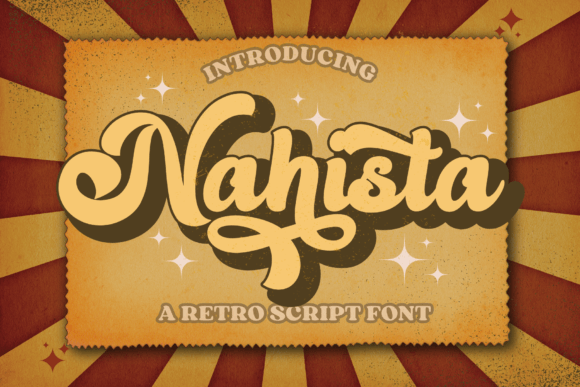
Working on a branding project for a small, independent café recently, I found myself scrolling through my font library, searching for something that could capture the essence of a cozy, welcoming space. That’s when I came across Nahista. As a retro script font with distinct letterforms and decorative swashes, it immediately caught my eye. It felt like the perfect balance between vintage charm and modern design sensibility.
Nahista for Logo Design and Brand Identity
When I first tested Nahista on a logo draft, I was struck by how it brought a sense of authenticity to the design. The font’s handwritten style gave it a personal touch, making it feel more approachable and warm. For a café, that was exactly what we needed—something that would resonate with customers looking for a place that feels like home.
Using Nahista as the primary font for the logo allowed me to create a visual identity that stood out without being overwhelming. The swashes and flourishes added a subtle elegance, while the overall structure remained legible and professional. It wasn’t just about aesthetics; it was about creating a brand that felt genuine and trustworthy.
Nahista for Packaging Design and Product Labels
Once the logo was set, I moved on to packaging design. The café wanted custom coffee bags and branded merchandise, so I experimented with Nahista on product labels and packaging mockups. The font worked beautifully in short-form text, such as taglines or product names, where its decorative elements didn’t interfere with readability.
I paired it with a clean sans serif font for the body text, which helped maintain visual hierarchy. This combination allowed the retro script to shine as a focal point while keeping the rest of the design balanced and easy to read. The result was a cohesive look that felt both nostalgic and contemporary.
Nahista for Social Media Graphics and Website Headers
As the branding project progressed, I integrated Nahista into social media graphics and website headers. On Instagram posts, it added a stylish flair that complemented the café’s aesthetic. In web design, it worked well as a headline font, drawing attention without disrupting the flow of content.
One thing I noticed was how the font adapted to different platforms. Whether it was a promotional banner, a blog post title, or a social media caption, Nahista retained its character and personality. It wasn’t just a font—it was a design element that helped tell the story of the brand.
Nahista for Editorial Design and Printed Marketing Materials
For printed marketing materials like flyers and posters, Nahista proved to be a versatile choice. Its handwritten style gave the designs a tactile, artisanal feel that aligned perfectly with the café’s brand identity. I used it for headlines and callout text, ensuring that each piece had a consistent visual language.
One challenge I faced was ensuring that the font remained readable at smaller sizes. While Nahista is excellent for display purposes, I made sure to use it sparingly in body text and instead relied on complementary fonts for longer passages. This approach maintained clarity while still leveraging the font’s unique personality.
Nahista for Handmade and Artisan Brands
Since the café project, I’ve used Nahista for other handmade and artisan brands, including a small skincare line and a boutique clothing store. In each case, the font added a sense of craftsmanship and individuality. It worked especially well for product names, taglines, and branding tags that needed to feel personal and authentic.
What I appreciate most about Nahista is its ability to evoke a specific mood. Whether it’s a vintage-inspired shop or a modern creative studio, the font can adapt to different styles while maintaining its core appeal. It’s not just a Script Handwritten font—it’s a tool that helps designers communicate emotion and character through typography.
Nahista for Commercial Font Licensing and File Formats
When working on client projects, it’s important to consider font licensing and file formats. Nahista comes in multiple weights and includes alternates and ligatures, which makes it highly customizable. This flexibility was especially useful when I needed to adjust the font for different applications, from print to digital media.
The font also supports multilingual characters, which was a bonus for a client who wanted to include text in multiple languages. This level of detail shows that Nahista isn’t just a pretty font—it’s a practical choice for real-world design work.
Nahista for Display Fonts and Accent Typography
As a display font, Nahista excels in situations where visual impact matters. It works best as an accent or headline font, where its decorative elements can be fully appreciated. I’ve used it to highlight key messages, add a touch of flair to website headers, and create memorable branding elements that stand out.
However, I’ve also learned that it’s not ideal for long paragraphs. When used in body text, it can become distracting or hard to read, depending on the context. That’s why I always recommend testing the font in different scenarios before committing to it in a full brand system.
Nahista for Creative Studios and Freelance Work
For freelance designers and creative studios, Nahista is a valuable addition to any font collection. Its retro script style offers a fresh alternative to more common script fonts, allowing for unique and personalized designs. It’s especially useful when clients want something that feels distinctive but still professional.
Whether you’re working on a small business brand or a large-scale design project, Nahista provides a way to inject personality and character into your work. It’s a font that doesn’t just look good—it tells a story.